
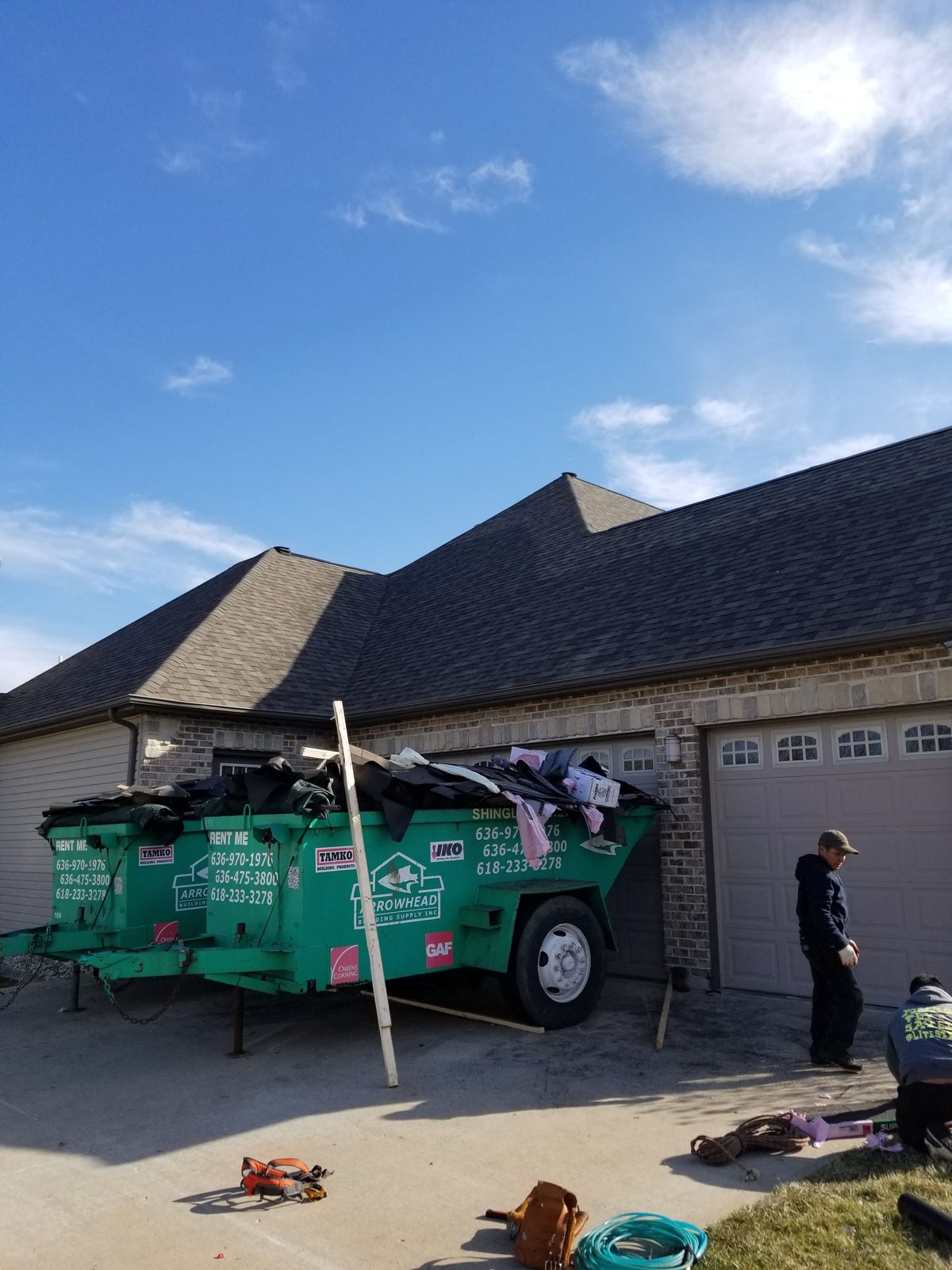
Roofing system
Residential roof replacement
A full exterior presentation should connect roof covering, edges, visible flashing details, ventilation considerations, and drainage—not treat each piece as an isolated line item.
Exterior work in the field
Each project begins with the property, the conditions we observe, and the work plan the homeowner approves. These photo-led examples show the exterior craftsmanship, not a promise that every property will have the same scope.
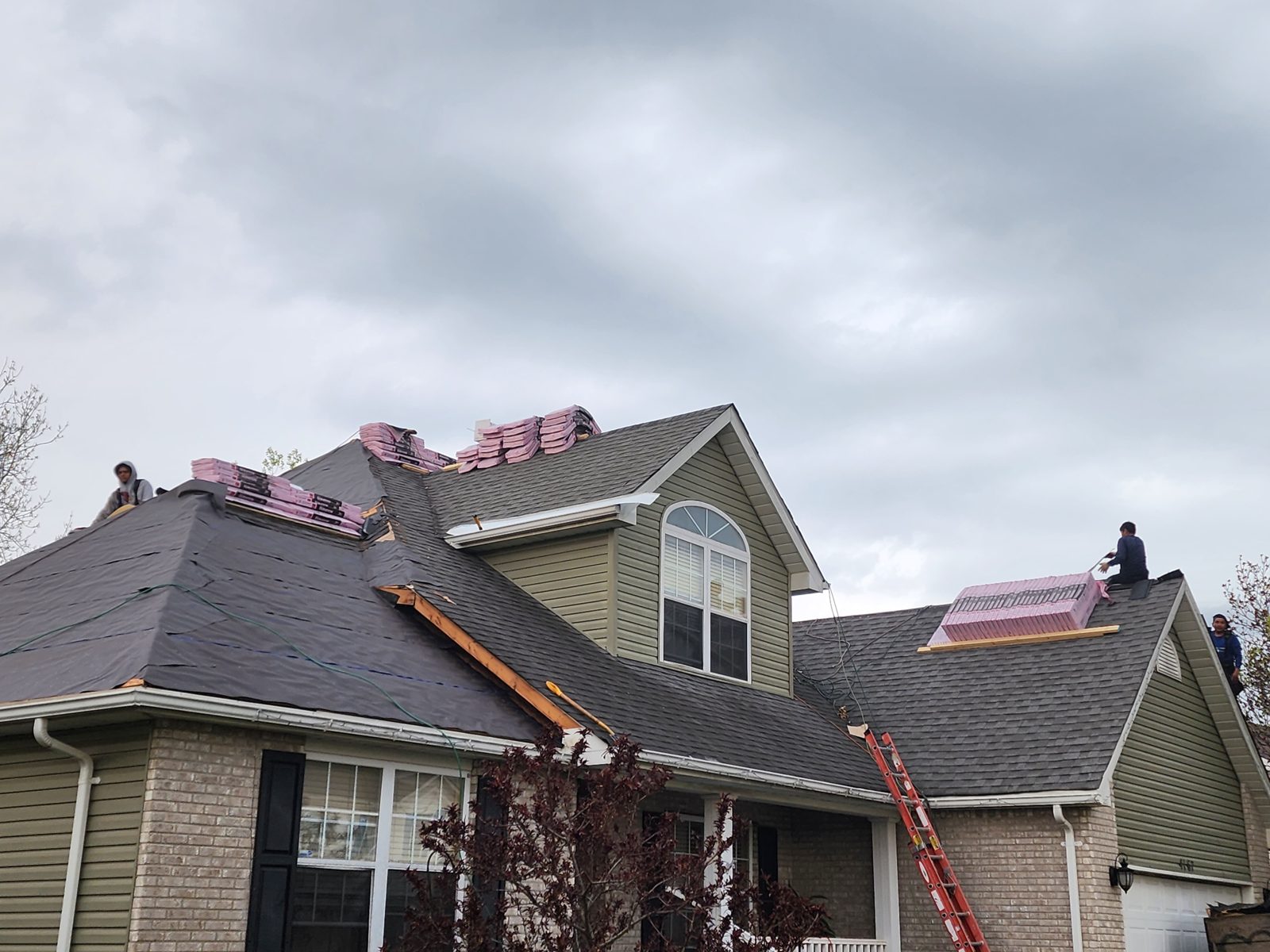 Project details vary by property condition, material selection, accessibility, and approved scope.
Project photography should help a homeowner understand the exterior result, the system being installed, and the practical questions to ask about their own property.
A full exterior presentation should connect roof covering, edges, visible flashing details, ventilation considerations, and drainage—not treat each piece as an isolated line item.
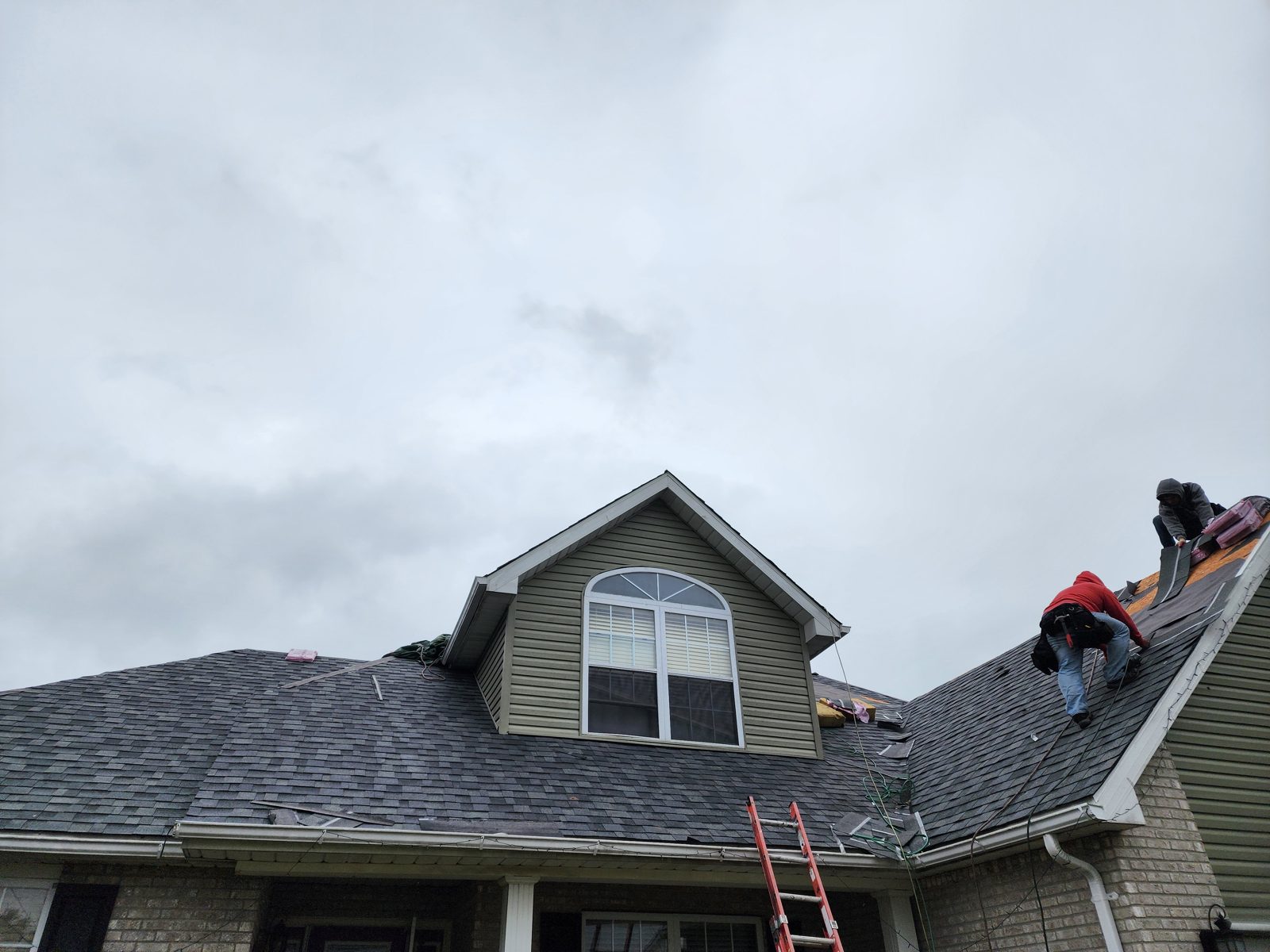
Clean geometry matters. Roof transitions and gutter interfaces should be discussed at the property level before work is released.
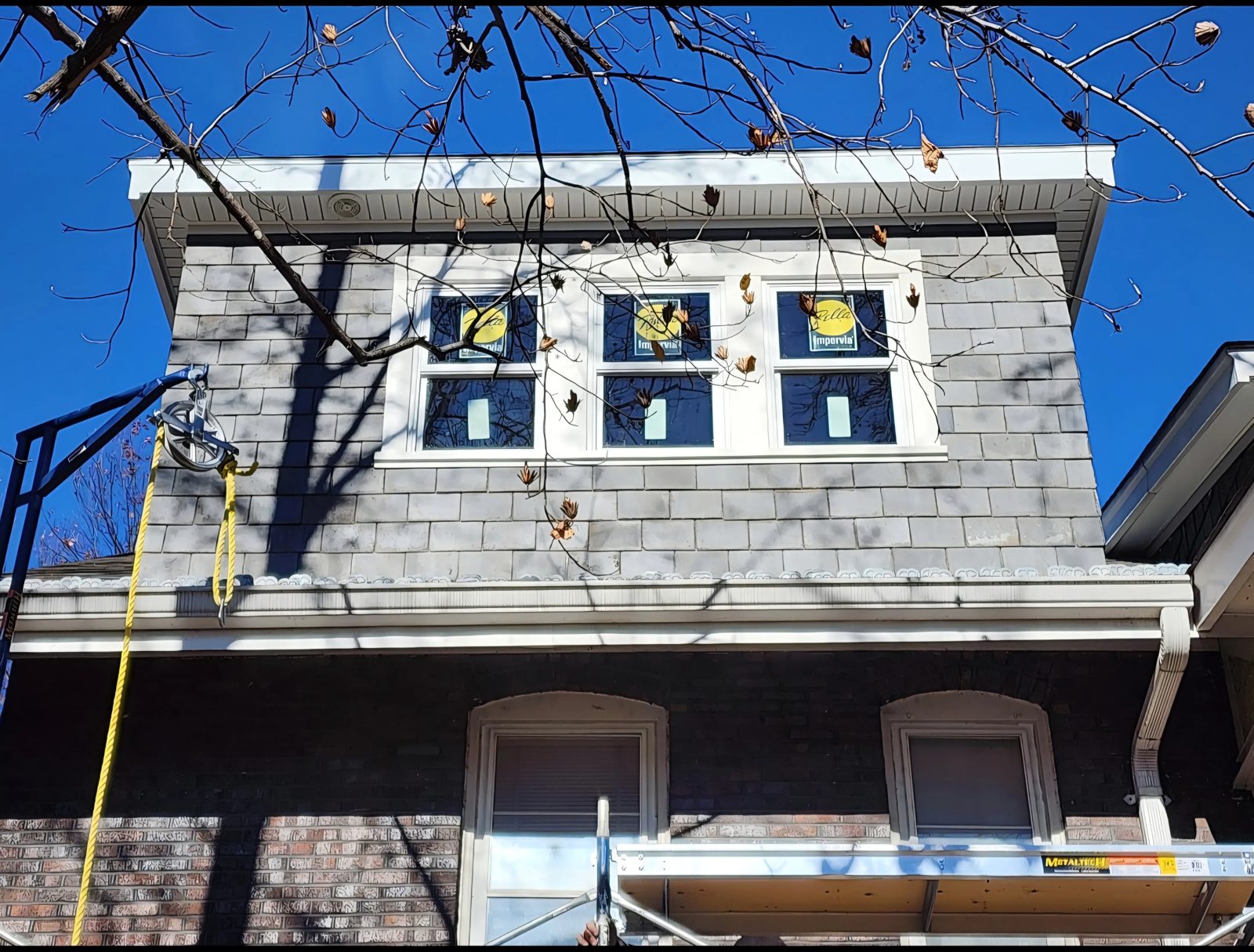
Siding, gutter, and roof decisions can be sequenced together so material choices and work access support one complete exterior result.
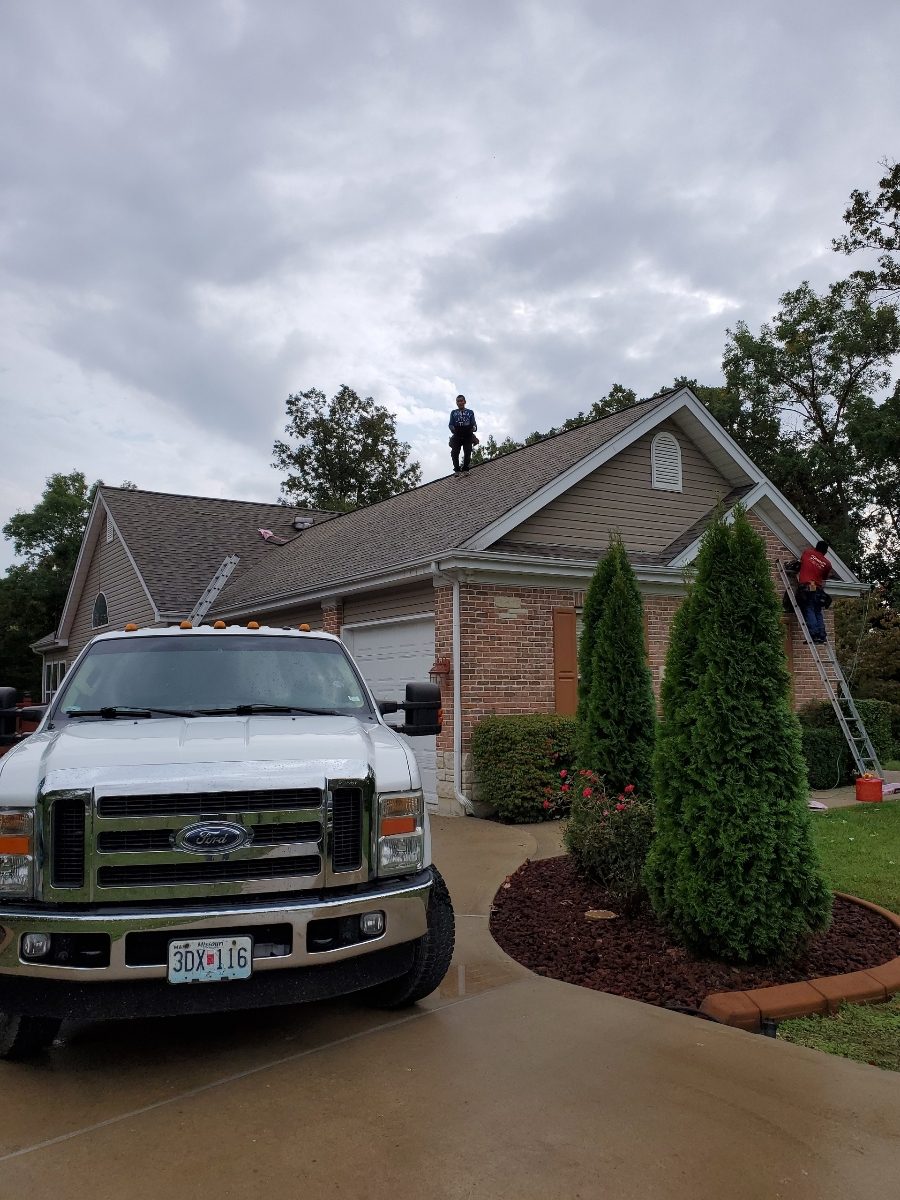
The job record should carry selected materials, visible conditions, access notes, and homeowner decisions through the production handoff.
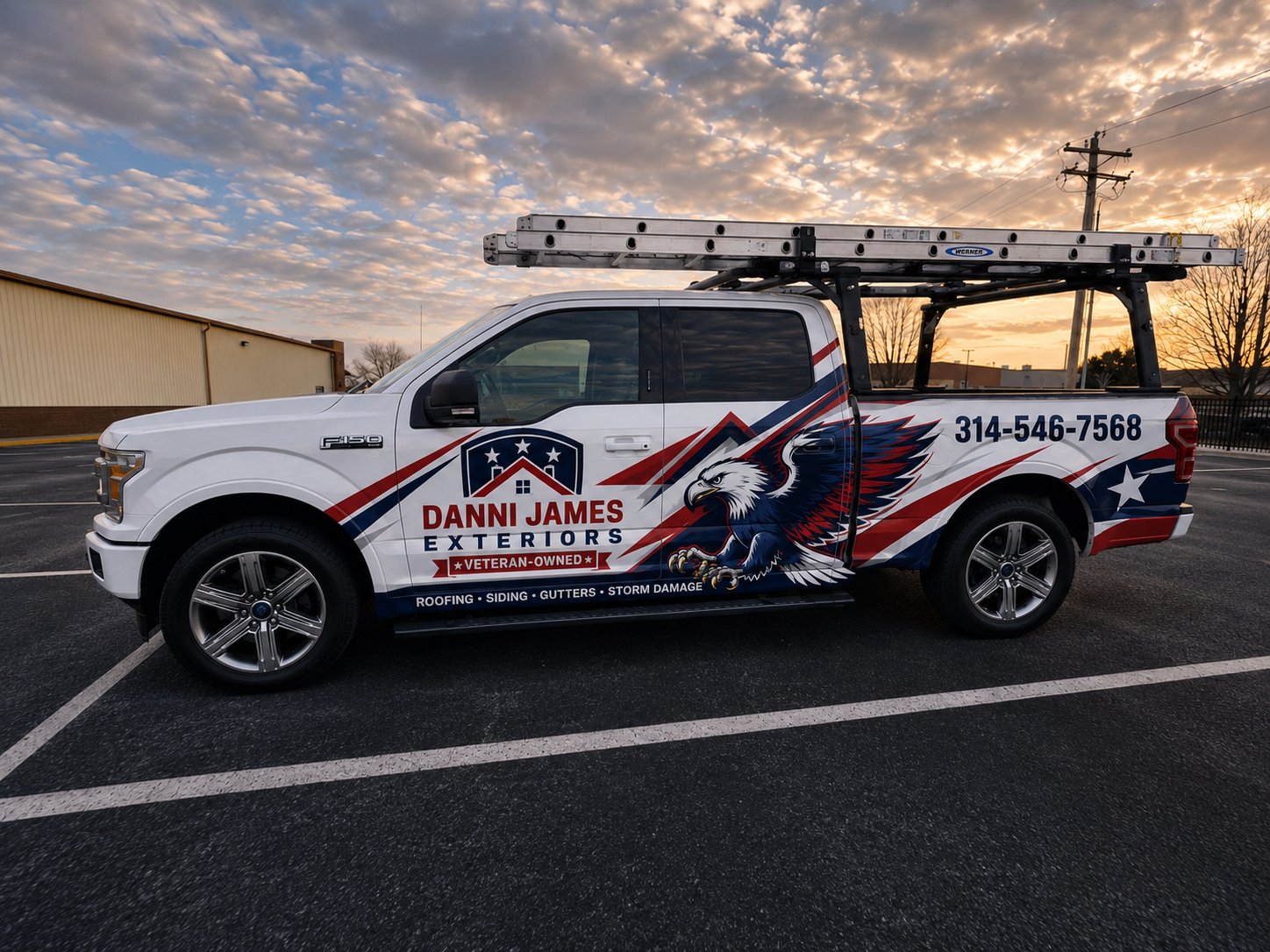
Completion is not simply a photo. It is the point to review the work, notes, and remaining homeowner questions together.
Ask what condition was visible before the recommendation and what information required field verification.
Ask which materials, colors, and system details were approved and how they fit together.
Ask what the homeowner received at the final walkthrough and how the completed work was handed off.
Work that is easy to explain is easier to trust.
Every property deserves its own inspection, scope conversation, and written approval.
Your property is different
We will use the property, your goals, and verified field information to explain an appropriate next step.